The Sensible Desktop: How 2026's Midrange Parts Stopped Feeling Like a Compromise
For most of the past decade, desktop-building advice had a predictable shape: stretch the budget, or accept that you were buying the sad version of the good stuff. The enthusiast tax—the premium paid for the fastest CPU, the widest GPU, and a motherboard with more heatsinks than a small server—felt unavoidable. In 2026, that math looks different. The sub-$1,200 desktop is no longer the penalty box. It is the sensible center of the market.
The End of the Entry-Level Penalty
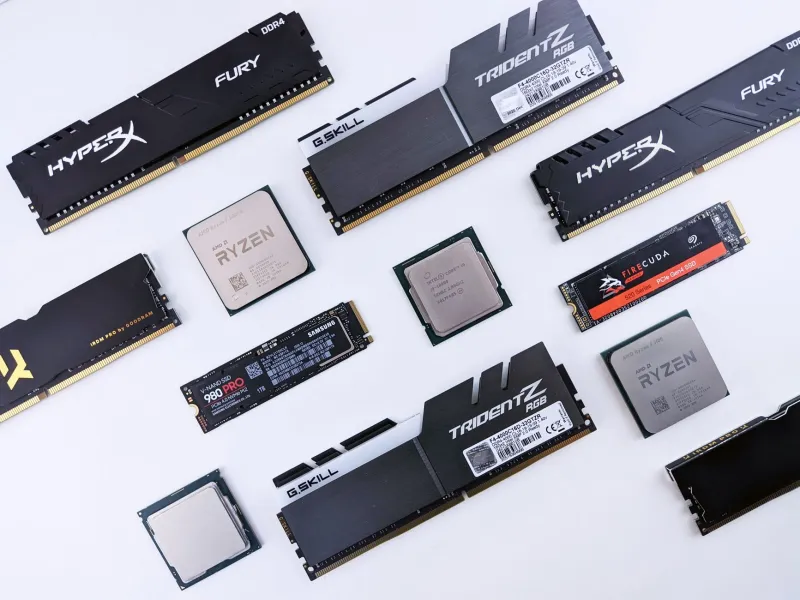
The biggest change is not that midrange parts got faster. It is that the features people actually use every day stopped being locked behind flagship pricing. Modern six- and eight-core CPUs handle browser tabs, video calls, photo edits, and mainstream gaming without the stutter that used to define budget builds. Upper-midrange graphics cards can drive a 1440p monitor at sensible settings, especially with upscaling and frame generation now treated as normal tools rather than excuses. B-series motherboards ship with enough USB ports, solid networking, and memory support that most users will never outgrow.
That matters because the old “entry-level penalty” was rarely about raw speed. It was about missing ports, weak power delivery, noisy coolers, and storage that felt ancient on day one. In 2026, a careful midrange build avoids those traps without chasing halo products.
Where Midrange Hardware Actually Closed the Gap
Start with the CPU. For everyday productivity and gaming, the difference between a mid-tier chip and a premium one often shows up in the last few percent of performance—or in workloads most people do not run. If you are not exporting 8K video, compiling huge codebases, or running heavy simulations, the midrange part is not holding you back. It is probably waiting on your storage or your internet connection.
Graphics is where the conversation gets more nuanced. Premium GPUs still matter for 4K with high refresh rates, heavy ray tracing, and professional 3D work. But for 1440p gaming, the upper midrange is the value sweet spot. Features like DLSS, FSR, and XeSS have made “good enough” much more capable than the phrase suggests. A well-chosen midrange card with 12GB or more of memory can last through several years of mainstream titles if you are honest about settings.
Motherboards deserve a special mention. The enthusiast tax used to buy better voltage regulation, more M.2 slots, and diagnostic displays. Some of that still matters for overclockers. For everyone else, a solid B-series board with decent heatsinks, two M.2 slots, and USB-C is the practical answer. Spending $150 extra on a board you will never tune is not future-proofing. It is decoration.
Where the Enthusiast Tax Still Buys Something Real
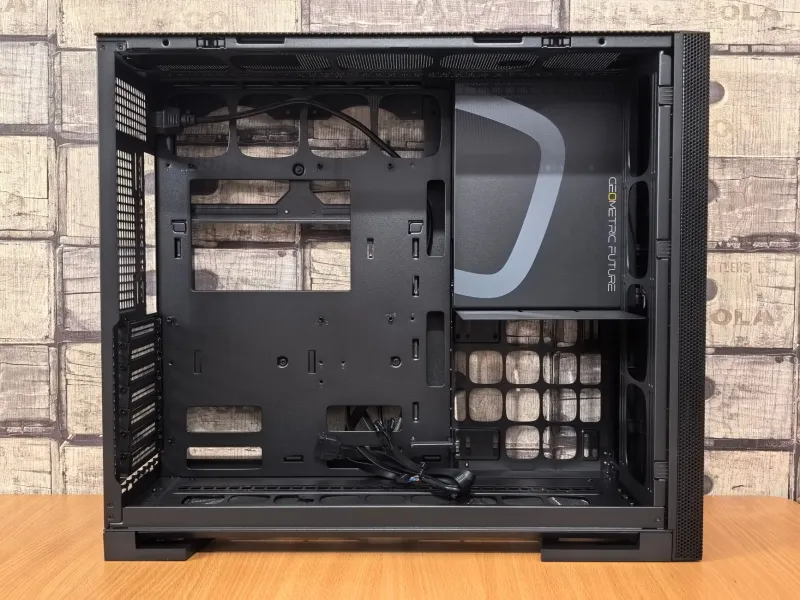
This is not an argument that premium hardware is pointless. It is an argument that premium hardware should solve a specific problem. If you game at 4K, a stronger GPU earns its price. If you make a living from CPU-heavy work, faster cores and more cache can pay for themselves. If you want a near-silent machine under sustained load, better coolers and a higher-quality case are not vanity purchases.
Power supplies are another place where spending a little more is smart. A reliable 750W or 850W unit from a known brand is not glamorous, but it protects the rest of the build. The same goes for storage: a good 1TB or 2TB NVMe drive with solid endurance is worth more in daily use than a slightly faster CPU. The enthusiast tax becomes rational when it buys reliability, quiet operation, or a capability you will actually use.
A Smarter Sub-$1,200 Build Recipe
For a US buyer building in late 2026, the sensible formula looks roughly like this: a current midrange six-core or eight-core CPU, a B-series motherboard with the ports you need, 32GB of DDR5, a 1TB or 2TB NVMe SSD, an upper-midrange GPU, a quality 750W power supply, and a case with decent airflow. That recipe leaves room for a good monitor or a better chair—two upgrades that affect daily life more than a few extra frames per second.
Shop Micro Center bundles if you have one nearby, but compare against online prices including tax and shipping. Do not overspend on DDR5 speeds your platform barely notices. Do not buy a 360mm liquid cooler for a CPU that ships with a competent air cooler. And do not let a $60 case fan kit turn into a $300 lighting project unless that is genuinely your hobby.
The Bottom Line
The 2026 midrange desktop won because it stopped asking ordinary buyers to pay for edge cases. It is not a compromise if it does what you need, runs quietly, and leaves money for the parts of your setup you touch every day. The enthusiast tax still exists. It just has to justify itself now.